Local Voices on Roof and Siding Work
What the published record says goes wrong with roof and siding work. It also says what to ask for before signing. This page sets those accounts side by side. It shows how we weighed them, and it invents no customer voices.
What the published record says about roof work
This guide does not rate roofers or siding installers itself. The one rating on the site, on the home page, is Google's, shown as Google publishes it. The voices on this page are published sources: consumer guides, trade bodies and the Massachusetts statute. None of them is a customer, and each account below names the source it comes from.
A roof that looks sound from the street still has to be read. The attic shows what the street cannot. A written inspection is what settles the question. Repair, replacement and disclosure are different decisions.
Complaints and praise, set side by side
The complaints in the published record cluster around paperwork. Massachusetts requires a home improvement contract above $1,000 to be in writing, under General Laws, chapter 142A, section 2. A verbal quote alone does not meet that rule. A homeowner who pulls their own permit is excluded from the state guaranty fund.
The published guidance points toward the written version of a job. A quote should carry a Home Improvement Contractor registration number. It should also say why a tear-off is proposed rather than a recover. A whole-roof price in Massachusetts is wide, so a single number means little on its own.
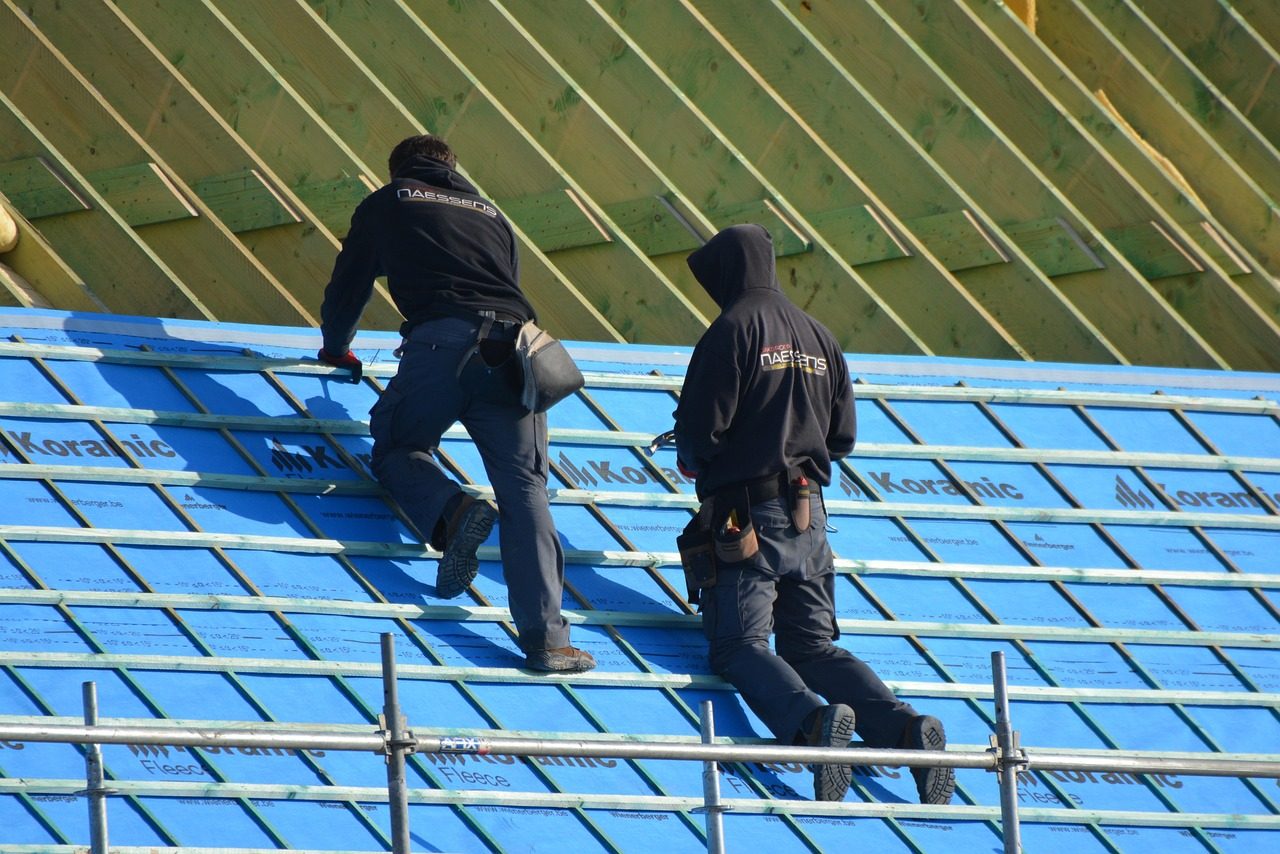
Two roof details the sources name
Ice is the first detail. Where a code area has a history of ice at the eaves, the model residential code asks for an ice barrier. That barrier runs up the slope from the lowest edge, and its length is measured from the wall line. Whether Dracut or Lowell carries that designation was not confirmed here, so ask the building department.
Layers are the second detail. Most codes do not allow more than two roof coverings. Tear-off is the safer route when a roof sags or has rotted deck boards. The Asphalt Roofing Manufacturers Association's comparison of replacement and recover sets this out.
How this guide gathered and weighed the accounts
No survey, interview or customer message sits behind this page. No count is drawn from one. The voices are published pages and the statute, which we read where they could be opened. A source we could not open is left out, so the state guaranty fund payout is not stated here.
Manufacturers and trade associations have a stake in how roofs are sold. We read their statements as a reference to check, not as a neutral verdict. Prices come from estimate sites that use different methods. Each one is labelled as an estimate wherever it appears, and the practical test is whether a claim can be checked.

Paperwork a reader can ask to see
Lowell's building permit page lists roofing and siding among the work that needs a permit under the state building code. Ask a contractor for both numbers a contractor on a one-to-four-family home needs. Those are a Home Improvement Contractor registration and a Construction Supervisor License. The two are separate credentials, as Procore's library on Massachusetts contractor licenses explains.
The warranty is a paper too. A typical shingle warranty covers materials in full only at first. From year 11 only prorated material costs are covered, and labor falls to the owner. A reader can ask to see the warranty in writing before a quote is signed.
Three figures to check a quote against
- $10,000 to $36,000
- Estimated whole-roof replacement range in Massachusetts
- Fixr, updated January 2025; an estimate, not a bid.
- $9,609
- National average roof replacement cost, 2025
- HomeAdvisor; a national figure, below the Massachusetts range.
- 24 inches
- Inside the exterior wall line, how far an ice barrier runs
- Town of Hudson, Ice and Water Detail Guide, quoting the model residential code.