Summit Home Group Roof decision helper

What We’ve Done: roof decisions worked through on paper

Three labelled illustrations of how a roof decision before a sale is reached, with the published figures behind them and where each one comes from.

Why this page is built from illustrations

This page holds no finished jobs, and it does not claim any. What follows are illustrations: invented situations that show how the roof decision helper on resources.html reaches its answer. Each one is labelled as an illustration. None of them describes a real house, owner, price or result. Read them as a way of following the helper, not as evidence about any particular roof.

The figures are the part a reader can check. Each one is traced to a published source and linked where it appears. Read the wording before relying on it, because each figure says what its source says and no more. Where a figure is an estimate, the page says so beside it.

Four figures to check against any quote

$1,000

Above this amount, a Massachusetts home improvement contract must be in writing, so a verbal quote alone does not meet the statute.

Source: General Laws, Chapter 142A, Section 2

24 inches

Where a town has ice-dam history, the eave ice barrier runs to at least 24 inches inside the exterior wall line.

Source: Town of Hudson, Ice and Water Detail Guide

1978

Anyone paid to disturb paint in a home built before 1978 must be lead-safe certified.

Source: US EPA, Renovation, Repair and Painting Program

$10,000 to $36,000

A consumer cost guide's Massachusetts range for a whole-roof replacement, updated January 2025. It is an estimate, not a bid.

Source: Fixr, roof replacement in Massachusetts

Taking a quote apart, in order

Start with the paperwork, because it decides whether a quote is worth comparing at all. The first figure above sets the written-contract line, so a spoken quote for a larger job is not yet something to weigh. Ask for the scope, the price and the permits in writing, and check who will pull the permits. A quote that leaves any of these open is an incomplete basis for a decision.

Then look at the roof from the ground and from the attic, the two places a reader can check safely. Note how many layers are on it, if anyone knows. Look for any sag along the ridge or the truss lines, and for staining or gaps in the deck you can see. Write these down before the helper asks for them, because its next questions depend on them.

Only then compare the price. A published range is a sense check, not a bid. The helper's recommendation rests on the roof's condition and paperwork rather than on the total of a quote. A cheaper quote for a roof that nobody has yet inspected in writing is still a quote for a roof nobody has looked at.

Two illustrations, worked through the helper

Both are invented to show a path through the helper. Neither describes a real house, and neither describes a real outcome.

Close-up of glossy glazed roof tiles

Illustration: a roof of unknown age

The reader has no paperwork and cannot say when the roof went on. The helper's first questions are about records, and the path ends on a written roof inspection before any repair or replacement is priced. Nothing about the roof is known until that inspection is done. The photograph shows glazed roof tiles as a material only; it is not this roof.

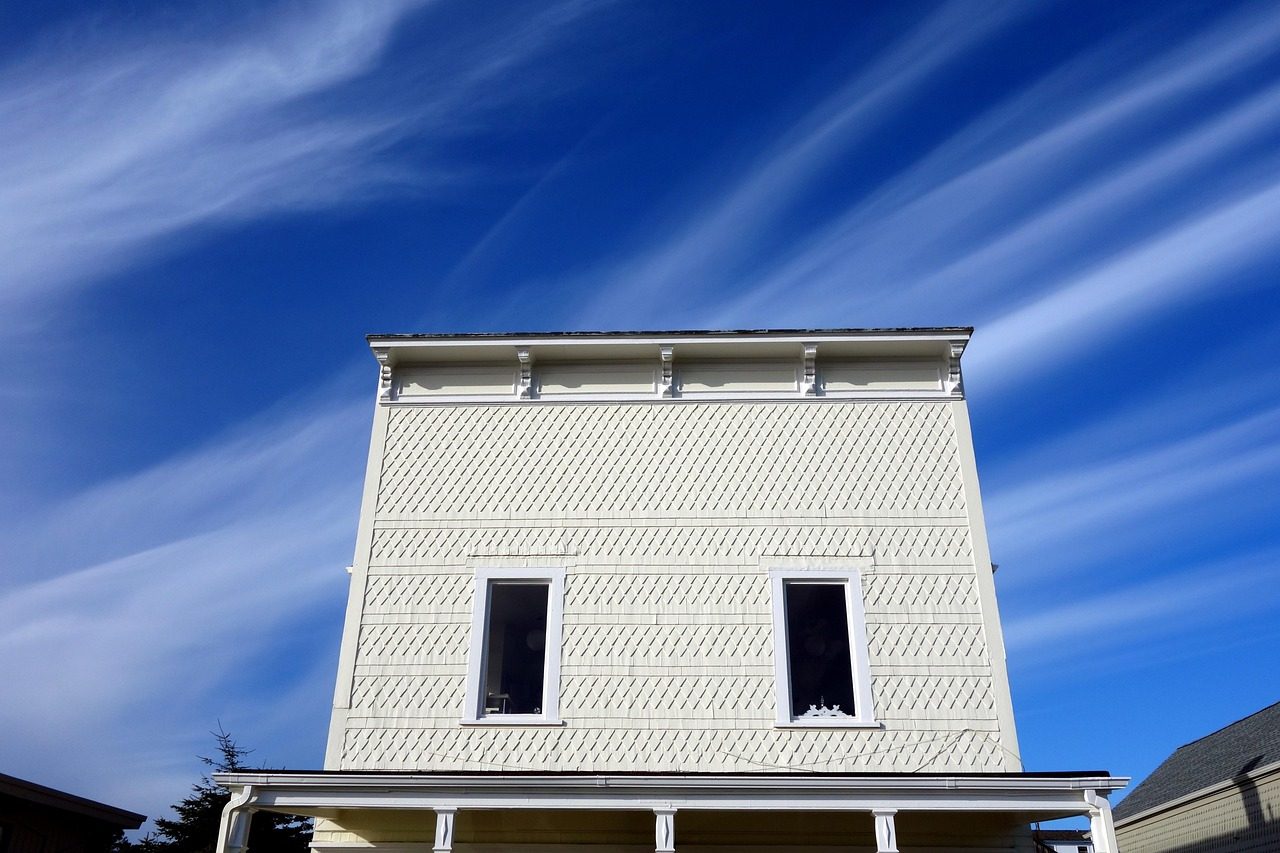
Two-storey house with cream shingles and white trim under a blue sky

Illustration: one visible fault

The reader can see one worn area from the ground, and the attic shows no staining. The helper's answers lead to repairing that specific fault rather than replacing the roof. The fault is named and checked, so the repair is scoped to it. The photograph is a house with siding, not the roof in this example.

Siding, from materials to fitting panels

A roof quote can sit beside a siding quote for the same walls. This clip from This Old House on choosing and installing siding covers the siding side of that work, which the two illustrations above leave out. It is here for a reader whose quotes cover both the roof and the walls. Watch it for the sequence of work, not as a guide to any particular product.

Facts to look up again before deciding

Lowell requires a building permit under the state building code, and its permit list includes roofing and siding (Lowell's building permit page). Completed original applications go in by hand or by mail to the Division of Development Services, and the page gave no fee or review time. Dracut requires a permit to repair or alter a building, but its page does not name roofing (Dracut's building permit page). A reader should confirm with the Building Department before work starts, and ask which permit the job needs.

Three-tab asphalt shingles need replacing about every 20 years, and premium shingles are advertised at 40 to 50 years, an expected life rather than a measured one (Fine Homebuilding on asphalt roof life). Ice dams can start with as little as 1 or 2 inches of snow, and an older UMass Extension article gives at least R-38 of ceiling insulation as part of the fix (UMass Amherst on preventing ice dams). Its editors flag the article as older, so confirm the current value with the building department. For the decision itself, see the roof decision helper on resources.html.